
-rilk6l0pt8ul0exnkrttzizqhtharm8w368awtytkw.jpg "mini excavator")
Purchasing small excavators is a critical capital investment that directly affects production efficiency, operating costs, and long-term competitiveness of the enterprise. This article is based on industry authoritative standards and combines industry benchmark practices such as Eachan Group to systematically sort out the four golden rules for you, helping you make data-driven decisions and choose ideal equipment that meets both current needs and future development.
Golden Rule 1: Precise Matching of Working Conditions – From Tonnage Classification to Special Function Analysis
Small excavators can be divided into three categories based on tonnage, corresponding to different operating scenarios:
1-3 ton micro excavator: with a width often less than 1 meter, suitable for extremely narrow spaces such as courtyard renovation, indoor demolition, greenhouse operations, etc.
5-8 ton standard excavator: equipped with a 0.3m ³ bucket as standard, it has the strongest versatility and is the mainstream choice for earthwork engineering, municipal construction, and agricultural water conservancy.
10-13 ton reinforced excavator: equipped with stronger power and accessory interfaces (such as breaking hammers), specially designed for hard ground excavation and medium-sized infrastructure projects.
Key considerations for selection:
Zero tail swing design: It can significantly improve safety and maneuverability when working in urban alleys and enclosed spaces.
Special configuration requirements: Pipeline and utility engineering often require offset boom or extendable chassis to expand the operating range and maintain stability.
Scenario based solutions, such as the multi working condition configuration provided by Eachan Machinery, can help users achieve precise performance matching in the early stages of procurement, avoiding insufficient adaptability in the future.
Golden Rule 2: Deep Analysis of Real Total Cost of Ownership (TCO) – Understanding Long Term Investment
The purchase price is only the initial cost, and the actual cost is reflected throughout the entire lifecycle of the equipment
TCO core components:
Fuel consumption and energy efficiency
Regular maintenance and daily maintenance expenses
Financing interest or leasing expenses
Estimated residual value (resale value) after five years
Comparative insights:
Some brands represented by Eachan, although priced similarly to their competitors in the early stages, often have an advantage in 5-year TCO due to their higher fuel economy, lower failure rate, and better value retention ability, truly achieving the goal of “buying with ease, using with money”.
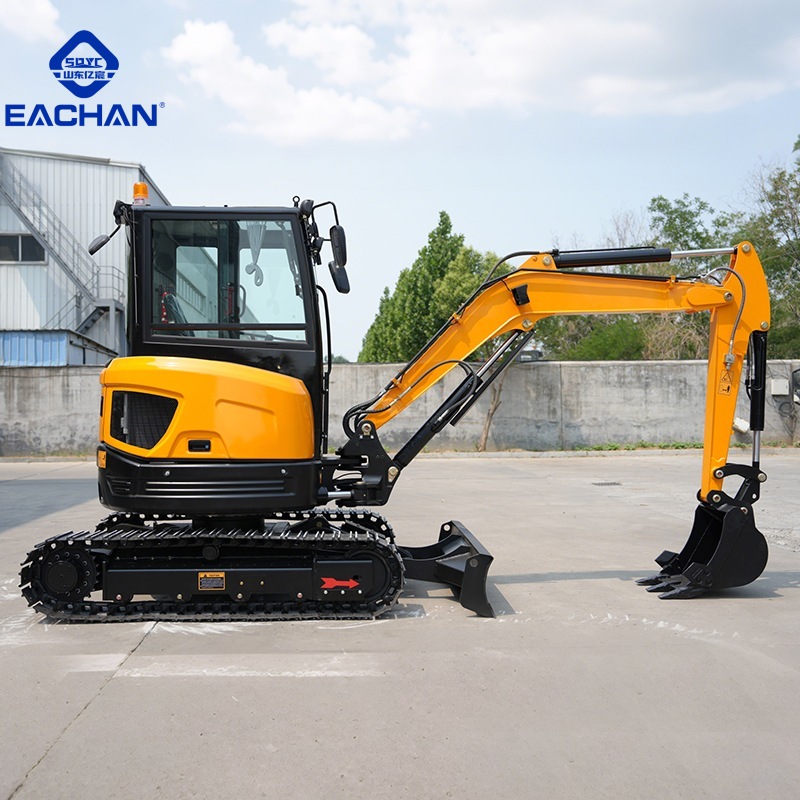
Golden Rule 3: Emphasize Field Experience – Ergonomics and Real Performance Testing
Beyond parameters, the real operational experience is crucial. During on-site inspections, particular attention should be paid to:
Operating Comfort and Efficiency: Test Drive Experience Handling Response, Wide Field of View, and Cab Layout.
Key technological innovations:
Pilot hydraulic control system (as adopted by Eachan): reduces operating force by about 30% and alleviates long-term work fatigue.
Dual mode control (ISO/SAE): facilitates quick adaptation for operators with different habits.
Intelligent monitoring system: Real time display of device status on LCD screen to prevent malfunctions.
Hydraulic quick connector: enables quick replacement of accessories and improves the utilization of working hours.
Stability verification: Test the effectiveness of the reinforced counterweight design in simulating actual working conditions (such as lifting and slope operations).
Golden Rule 4: Assessing the Sustainable Support Capability of Long Term Partners – Suppliers
Equipment procurement essentially involves selecting long-term partners. The evaluation focus should include:
Manufacturer’s technological research and development strength and product iteration history
Service network coverage, technician certification level, and spare parts inventory of local distributors
Warranty policy content and after-sales response mechanism
Long term reputation and customer cases of the brand in the industry
Reliable partners, such as the global service system represented by Eachan Group, can provide you with continuous technical support, fast maintenance services, and long-term equipment value assurance.
Golden Rule Three: Emphasize Field Experience – Ergonomics and Real Performance Testing
Beyond parameters, the real operational experience is crucial. During on-site inspections, particular attention should be paid to:
Operating Comfort and Efficiency: Test Drive Experience Handling Response, Wide Field of View, and Cab Layout.
Key technological innovations:
Pilot hydraulic control system (as adopted by Eachan): reduces operating force by about 30% and alleviates long-term work fatigue.
Dual mode control (ISO/SAE): facilitates quick adaptation for operators with different habits.
Intelligent monitoring system: Real time display of device status on LCD screen to prevent malfunctions.
Hydraulic quick connector: enables quick replacement of accessories and improves the utilization of working hours.
Stability verification: Test the effectiveness of the reinforced counterweight design in simulating actual working conditions (such as lifting and slope operations).
Golden Rule 4: Assessing the Sustainable Support Capability of Long Term Partners – Suppliers
Equipment procurement essentially involves selecting long-term partners. The evaluation focus should include:
Manufacturer’s technological research and development strength and product iteration history
Service network coverage, technician certification level, and spare parts inventory of local distributors
Warranty policy content and after-sales response mechanism
Long term reputation and customer cases of the brand in the industry
Reliable partners, such as the global service system represented by Eachan Group, can provide you with continuous technical support, fast maintenance services, and long-term equipment value assurance.
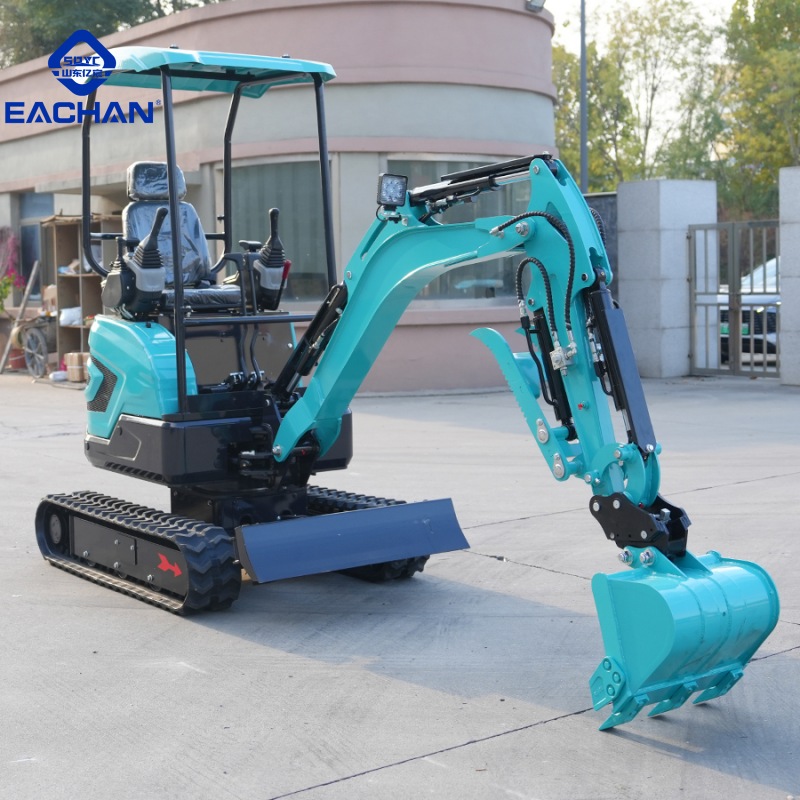
Golden Rule Three: Emphasize Field Experience – Ergonomics and Real Performance Testing
Beyond parameters, the real operational experience is crucial. During on-site inspections, particular attention should be paid to:
Operating Comfort and Efficiency: Test Drive Experience Handling Response, Wide Field of View, and Cab Layout.
Key technological innovations:
Pilot hydraulic control system (as adopted by Eachan): reduces operating force by about 30% and alleviates long-term work fatigue.
Dual mode control (ISO/SAE): facilitates quick adaptation for operators with different habits.
Intelligent monitoring system: Real time display of device status on LCD screen to prevent malfunctions.
Hydraulic quick connector: enables quick replacement of accessories and improves the utilization of working hours.
Stability verification: Test the effectiveness of the reinforced counterweight design in simulating actual working conditions (such as lifting and slope operations).
Golden Rule 4: Assessing the Sustainable Support Capability of Long Term Partners – Suppliers
Equipment procurement essentially involves selecting long-term partners. The evaluation focus should include:
Manufacturer’s technological research and development strength and product iteration history
Service network coverage, technician certification level, and spare parts inventory of local distributors
Warranty policy content and after-sales response mechanism
Long term reputation and customer cases of the brand in the industry
Reliable partners, such as the global service system represented by Eachan Group, can provide you with continuous technical support, fast maintenance services, and long-term equipment value assurance.
By following the four golden rules mentioned above, you will be able to go beyond surface parameters and marketing rhetoric, and make rational and confident investment decisions based on real data and experience. Ultimately, choosing a reliable, efficient, and cost-effective small excavator will become an important cornerstone for you to increase project profits and achieve sustainable business growth.